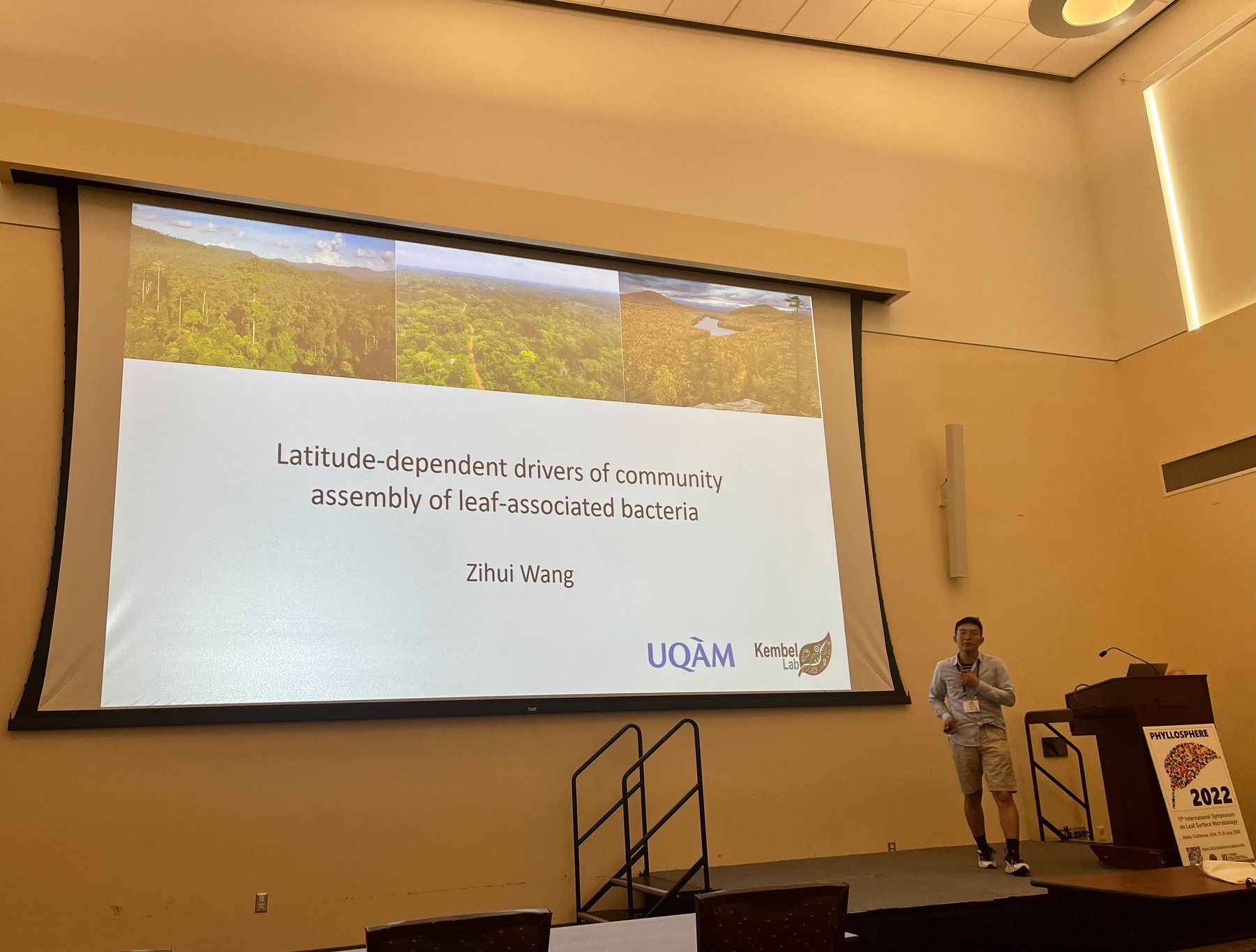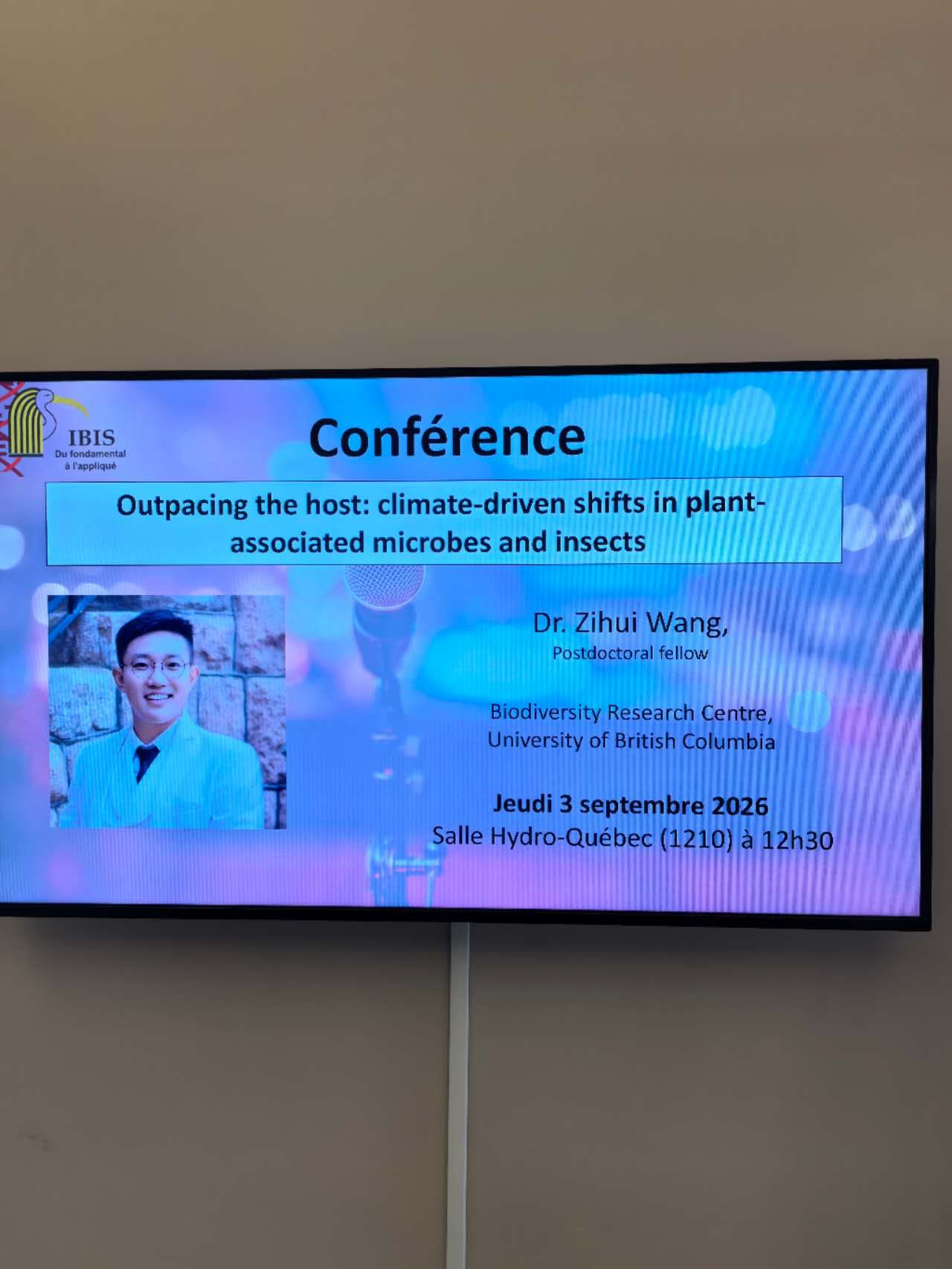
Zihui Wang

Zihui Wang

Postdoctoral Fellow

University of British Columbia

About

Climate change is reshaping ecosystems, and organisms with short generation times, such as microbes and insects, are often among the first to respond. Their rapid responses can amplify the effects of climate change, contributing to emerging diseases, pest outbreaks and biodiversity loss.

My research examines how microbes and insects respond to climate change and how these responses affect ecosystems and health. Combining field observations, experiments and large-scale ecological data, I study the biogeography of plant-associated microbiomes, climate-driven changes in forest insects and pathogens, and environmental drivers of infectious disease outbreaks.

I am currently a Postdoctoral Fellow in the Davies Lab at the Biodiversity Research Centre, University of British Columbia.

Interests
  • Plant-associated microbes
  • Community assembly
  • Climate change impacts
  • Macroecology and biogeography
  • Disease and pests
Education
  • PhD in Biology, 2019 - 2023

    Université du Québec à Montréal

  • MSc in Ecology, 2015 - 2018

    Sun Yat-Sen University

  • BSc in Biology, 2011 - 2015

    Sun Yat-Sen University

Research
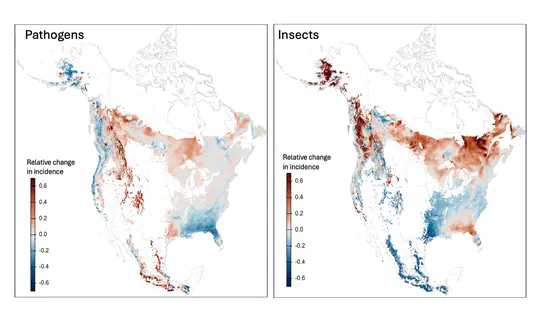
Climate-driven shifts in forest insect and pathogen risks
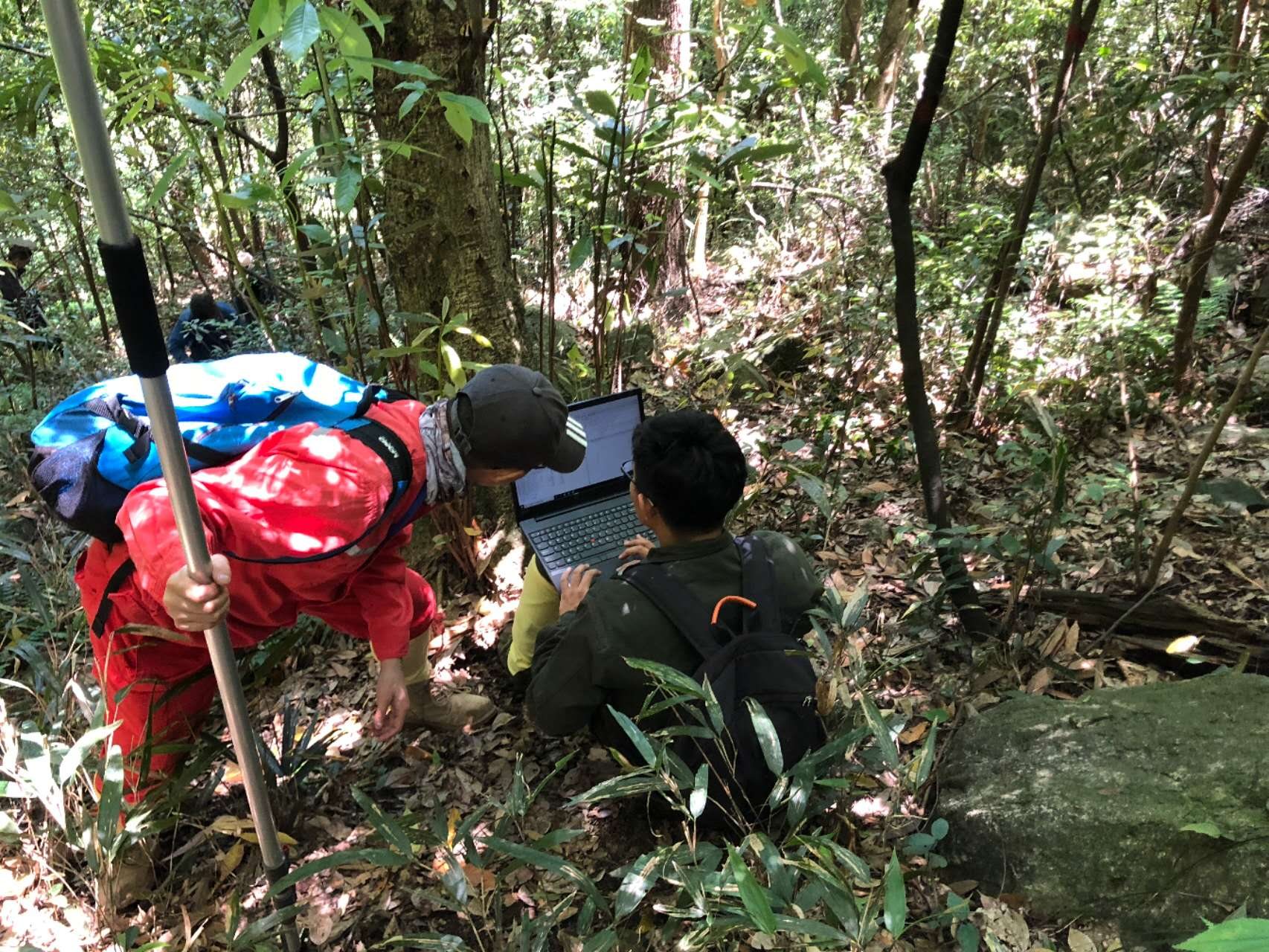
Forest insects and pathogens pose major threats to forest health, yet their responses to climate change vary across regions, host trees and pest groups. Using incidence records from more than one million trees across North America, I develop hierarchical models that capture nonlinear responses to warming and drought. This work reveals increasing pest risks across much of North America, particularly in historically cooler forests, with consequences for tree range shifts, biodiversity and forest health.
Climate-driven shifts in forest insect and pathogen risks
A global evaluation of One Health
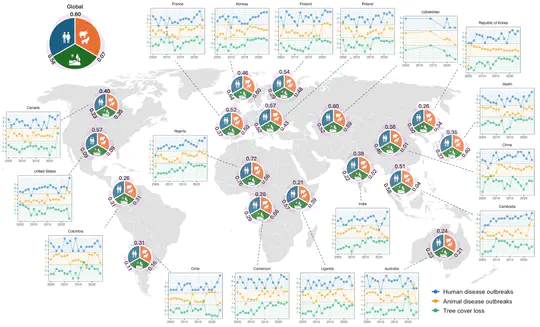
Human, animal and environmental health are deeply interconnected, yet these relationships have rarely been quantified globally. Integrating records of more than 14,000 human outbreaks and three million domestic animal disease events across 153 countries, I examine associations among human outbreaks, animal disease and environmental change. Environmental factors, including tree-cover loss, urban expansion and temperature anomalies, were as stronger predictors of human outbreaks than animal disease burden, with these associations varying across socioeconomic and healthcare contexts.
A global evaluation of One Health
Biogeography of plant-associated microbiomes
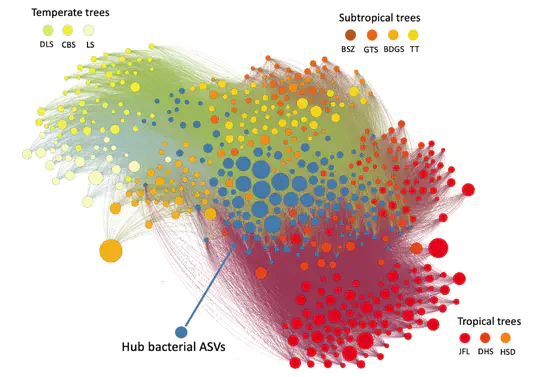
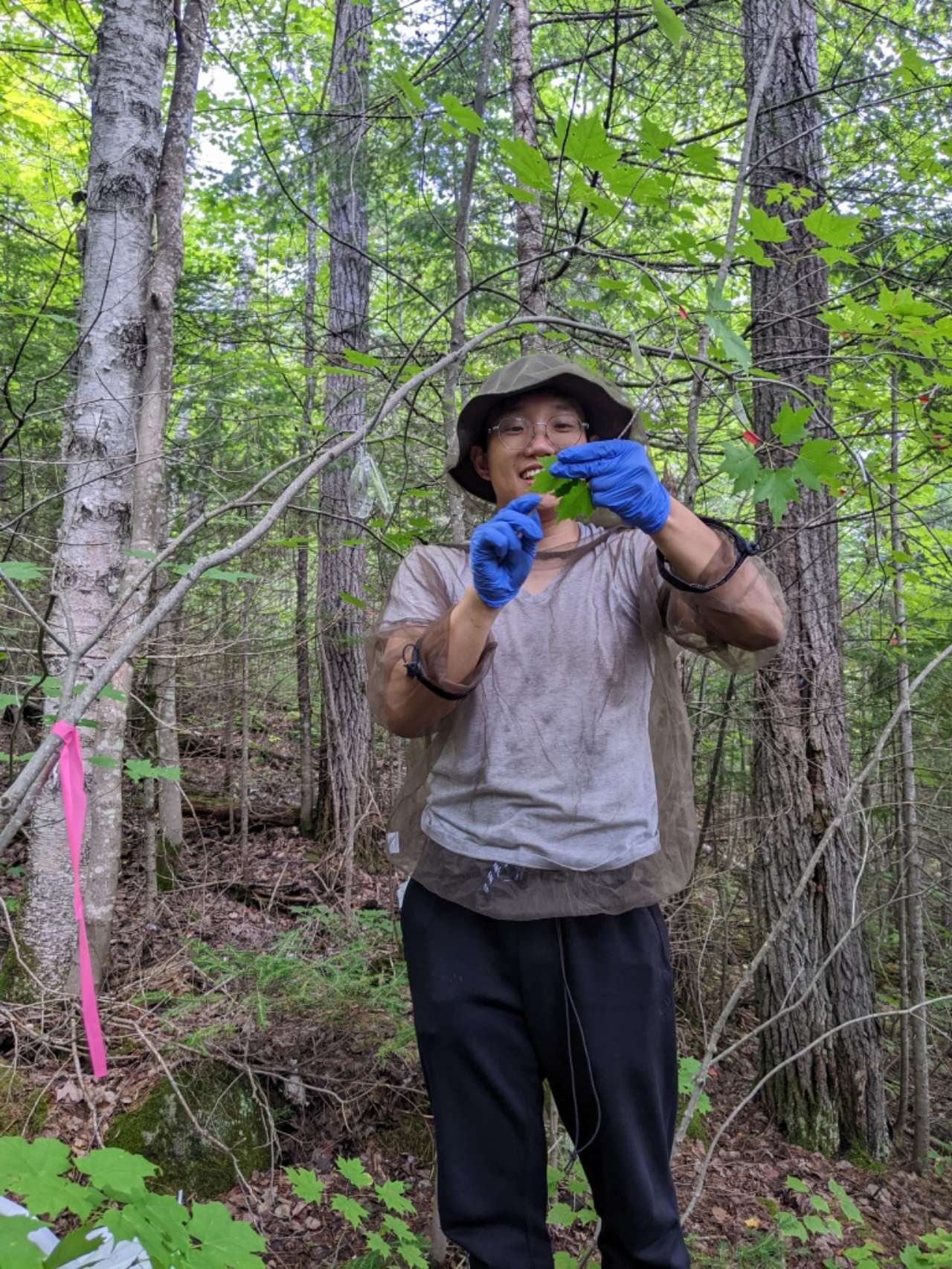
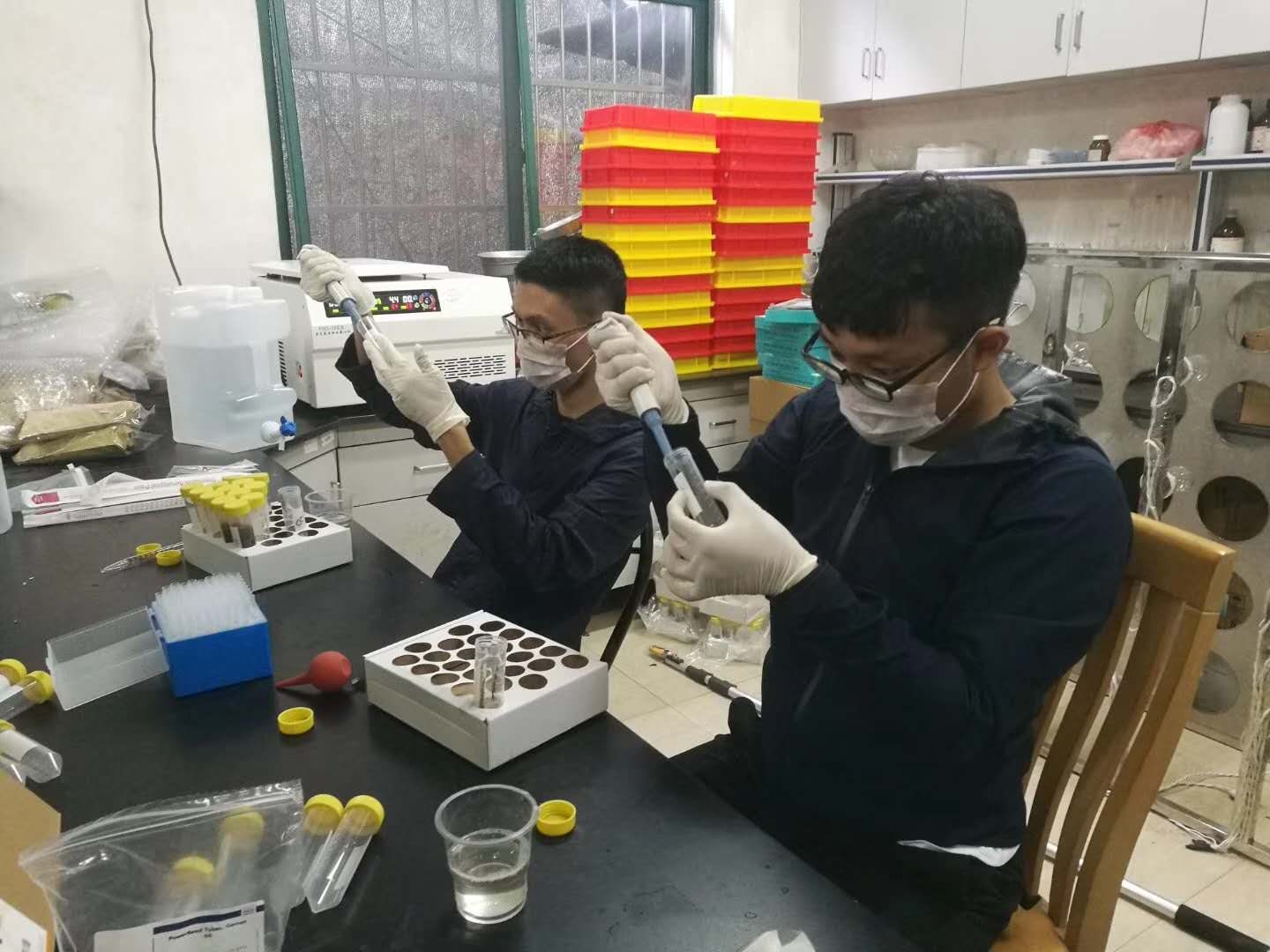
Plants host diverse microbial communities whose composition and functions vary across environments and host species. My research combines large-scale surveys, experiments and species distribution models to examine how climate, host identity and dispersal shape the diversity and biogeography of plant-associated microbiomes. I also investigate the evolution of host specificity and how climate-driven shifts in host distributions may alter microbial ranges.
Biogeography of plant-associated microbiomes
How insects and microbes shape plant diversity and distributions
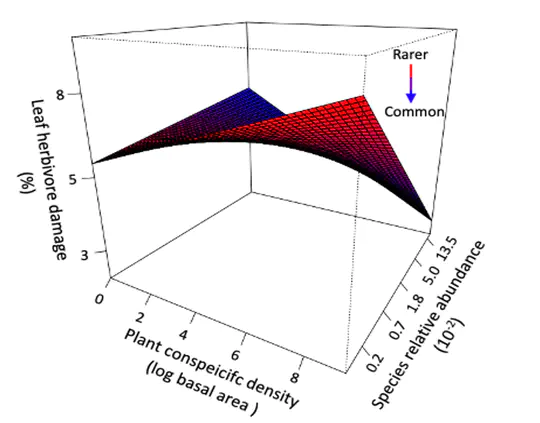
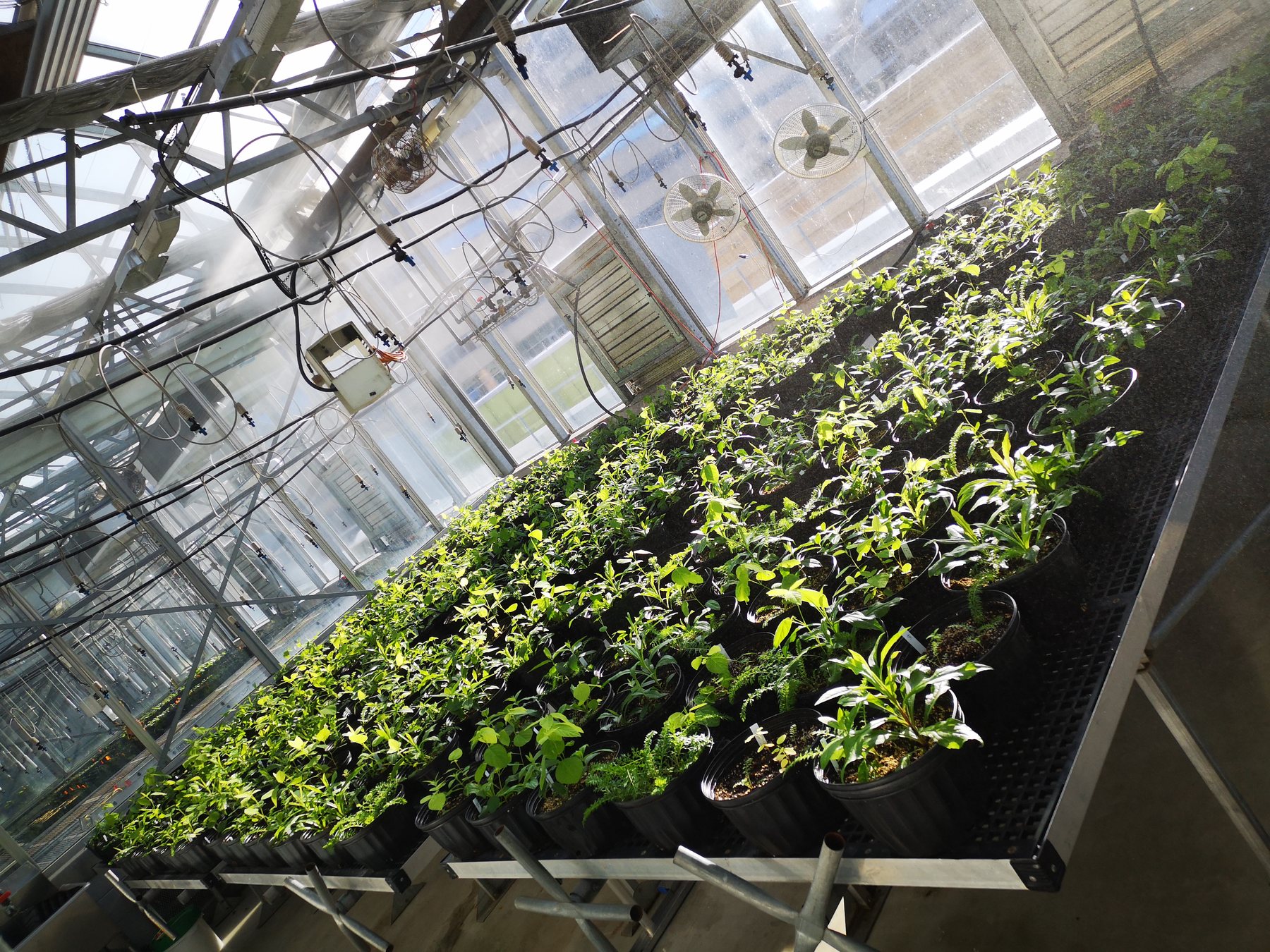
Insects and microbes can strongly influence plant performance, abundance and coexistence, yet their effects vary among plant species and ecological contexts. Through field surveys and experiments, I examine how herbivory and microbial interactions change across gradients of host density and plant diversity. This work asks when these interactions promote or constrain plant diversity and how they ultimately shape species distributions.
How insects and microbes shape plant diversity and distributions

First-author Publications

See all publications on google scholar.
(2025). Modeling the distribution of plant-associated microbes with species distribution models. Journal of Ecology 113 (6), 1434-1450.

(2024). Deep learning-based methods for automatic estimation of leaf herbivore damage. Methods in Ecology and Evolution, 15, 732–743.

Project DOI

(2023). Diversity and biogeography of plant phyllosphere bacteria. New Phytologist, 240: 1534-1547.

Preprint Project DOI

(2019). Effects of host, habitat and space on diversity of pathogenic and mycorrhizal fungi. New Phytologist, 223 (462-474).

DOI

Contributions

Software
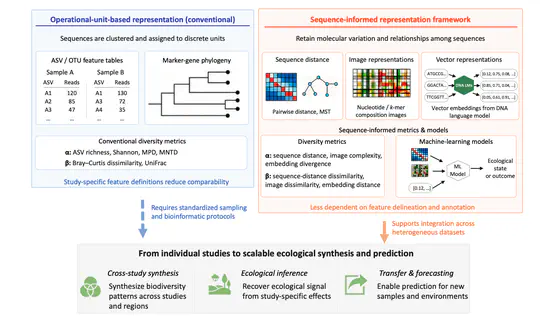
Software

Software and data share

Service
Service

Community service

Contact